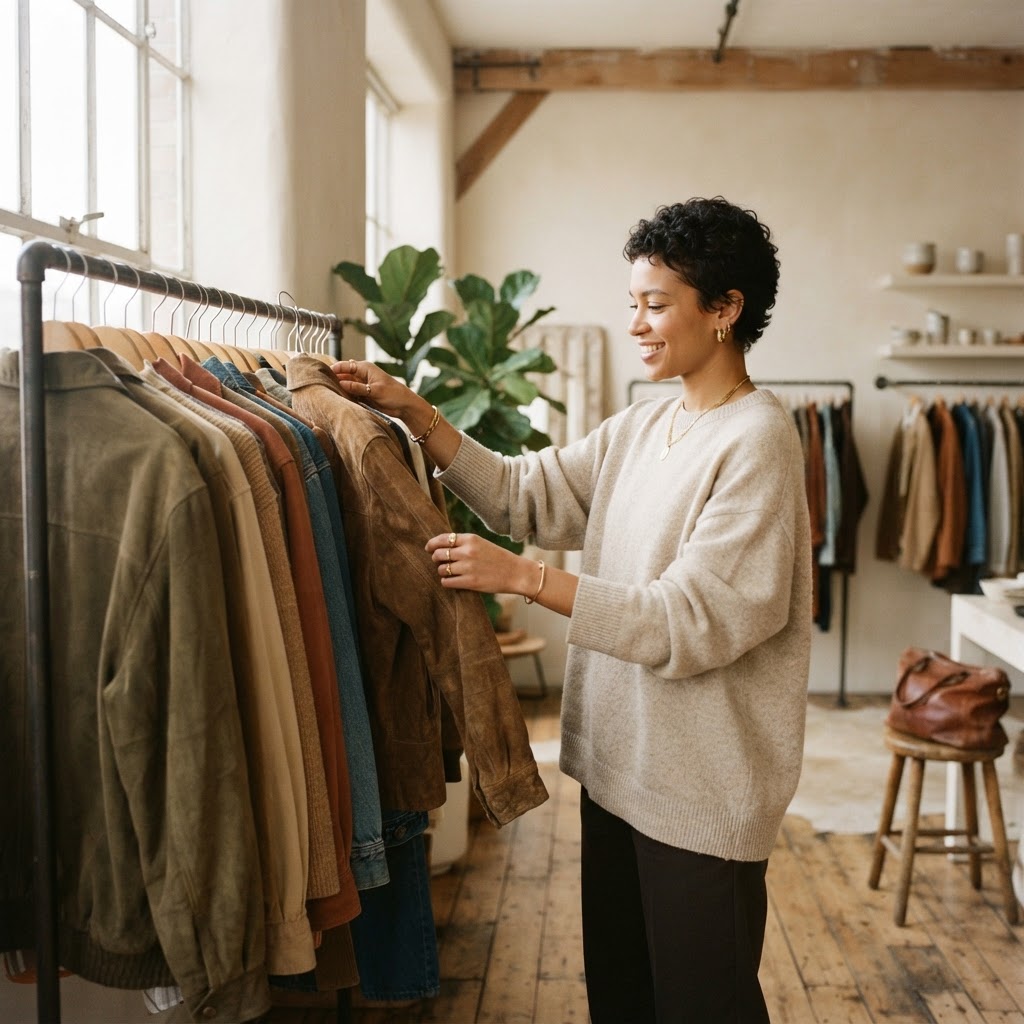
Ask someone under twenty-five where their wardrobe comes from and the answer, increasingly, is a marketplace. Depop, Vinted and the resale rails of charity shops have become the first stop, not the last resort. For a generation that came of age through a cost-of-living squeeze and a climate reckoning, secondhand is simply how dressing begins.
The numbers behind the reflex
The ThredUp Resale Report puts it plainly: the resale market is growing roughly twice as fast as the broader apparel sector, and Gen Z is the engine of it. Sixty-five per cent of Gen Z respondents say they buy pre-owned specifically to reduce textile waste; nearly as many cite price. The two reasons, usefully, point to the same behaviour.
What it teaches
Resale trains a different kind of eye. You learn construction before you learn labels, because the label is no longer the point. You learn your measurements, because vintage sizing lies. And you learn patience — the right piece arrives on the rail, not on the release calendar. These are habits we have written about before, and they transfer directly to buying new: slower, more deliberate, more attuned to what will actually be worn.
A few habits worth keeping
- Set alerts, not impulses. Know the piece you want; let the platform find it.
- Check the seam, then the tag. Construction ages; branding dates.
- Resell what you stop wearing. A wardrobe that circulates is lighter and better.
What it means for the rest of us
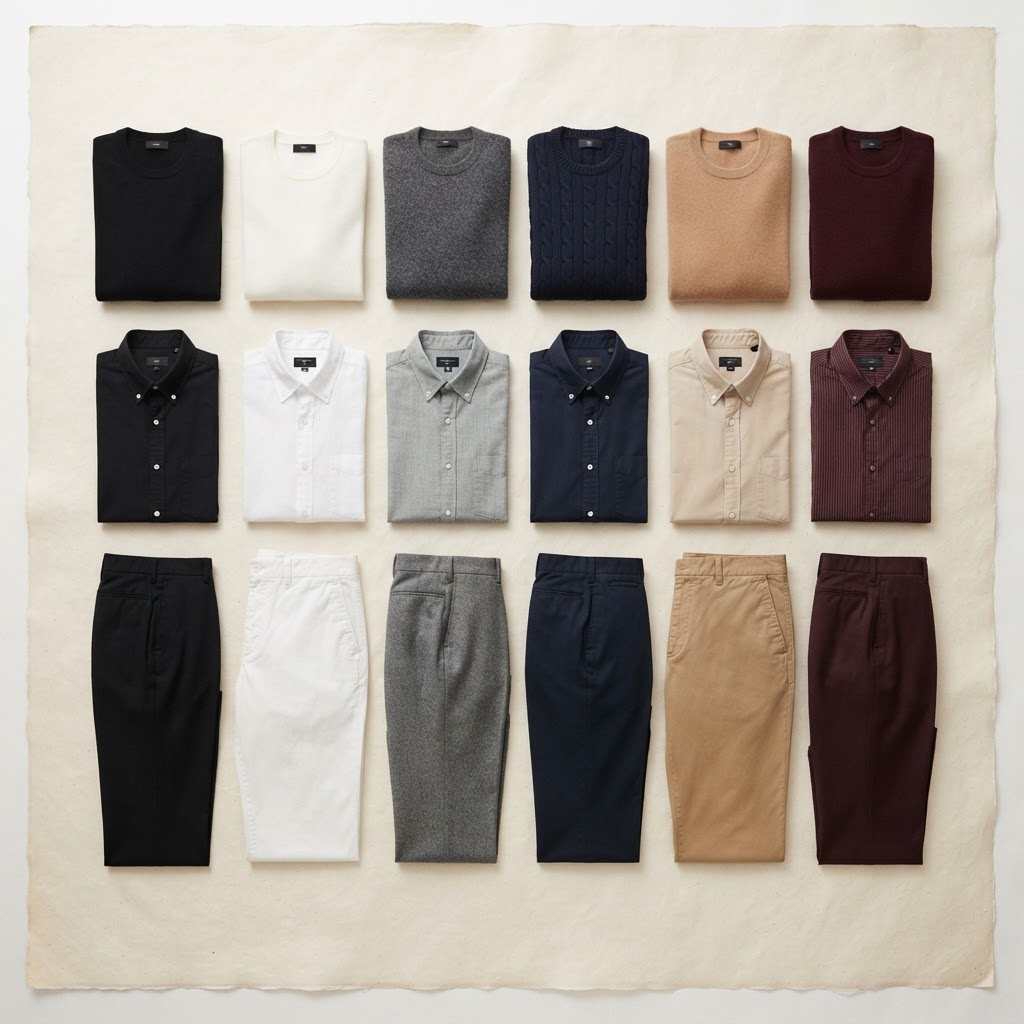
The resale reflex is, at root, the old idea — that a good garment is kept, not consumed — rebuilt for a generation that never knew any other way. Our men's and women's pieces are designed to circulate just as well: bought new, worn long, passed on.
Further reading
- ThredUp Resale Report — the data behind the shift.
- Depop and Vinted — where the reflex happens.
- Vogue Business — resale — ongoing coverage of the resale economy.