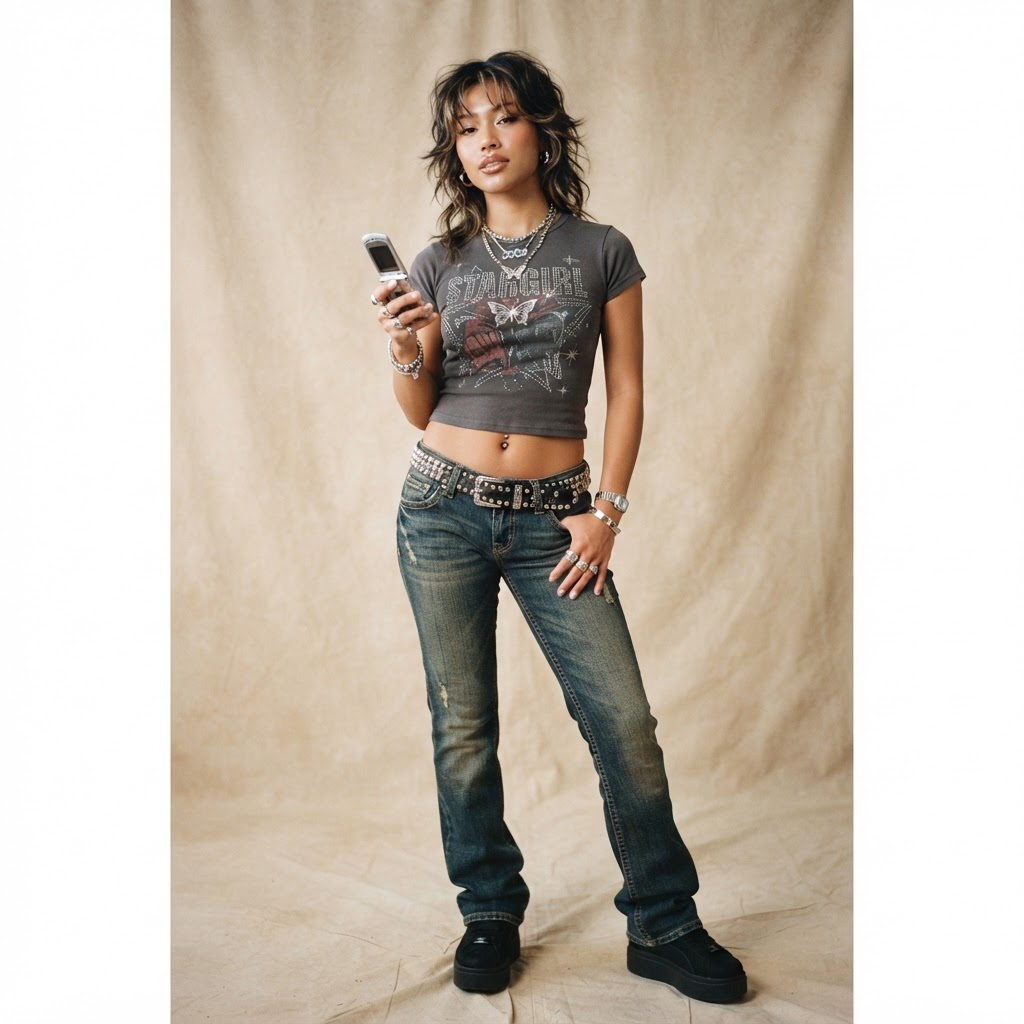
Every trend cycle is supposed to end. The Y2K revival — low-rise denim, baby tees, chrome hardware, the bucket hat — has refused to. What began as a nostalgia exercise has held for long enough that it is no longer nostalgia; it is simply the look of a generation. Vogue's trend coverage has charted its persistence across several seasons now.
Why it stuck
The revival held because it is comfortable, photographable, and cheap to assemble from resale — three things that matter to the generation wearing it. It is also, for all its flash, surprisingly easy to personalise: the silhouettes are loose enough to bend, the references wide enough to pick from.
Where it is softening
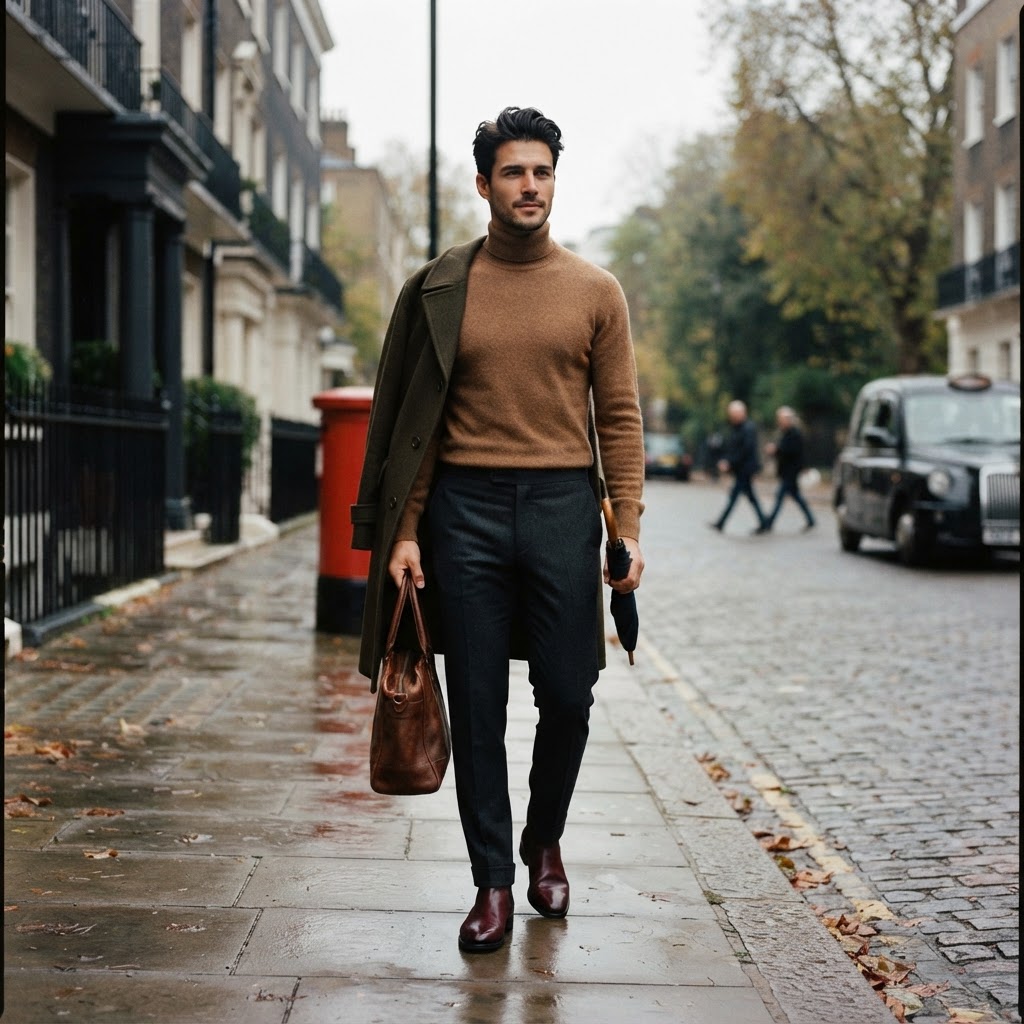
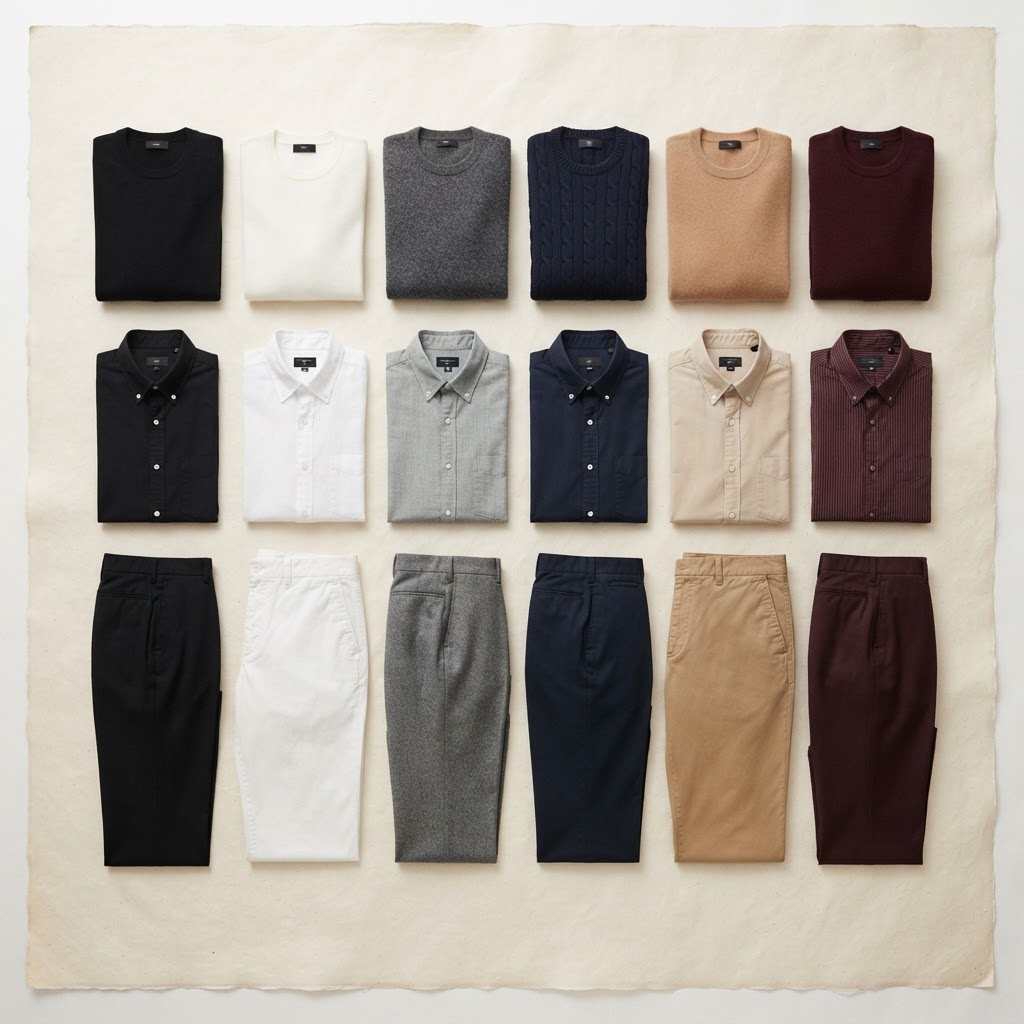
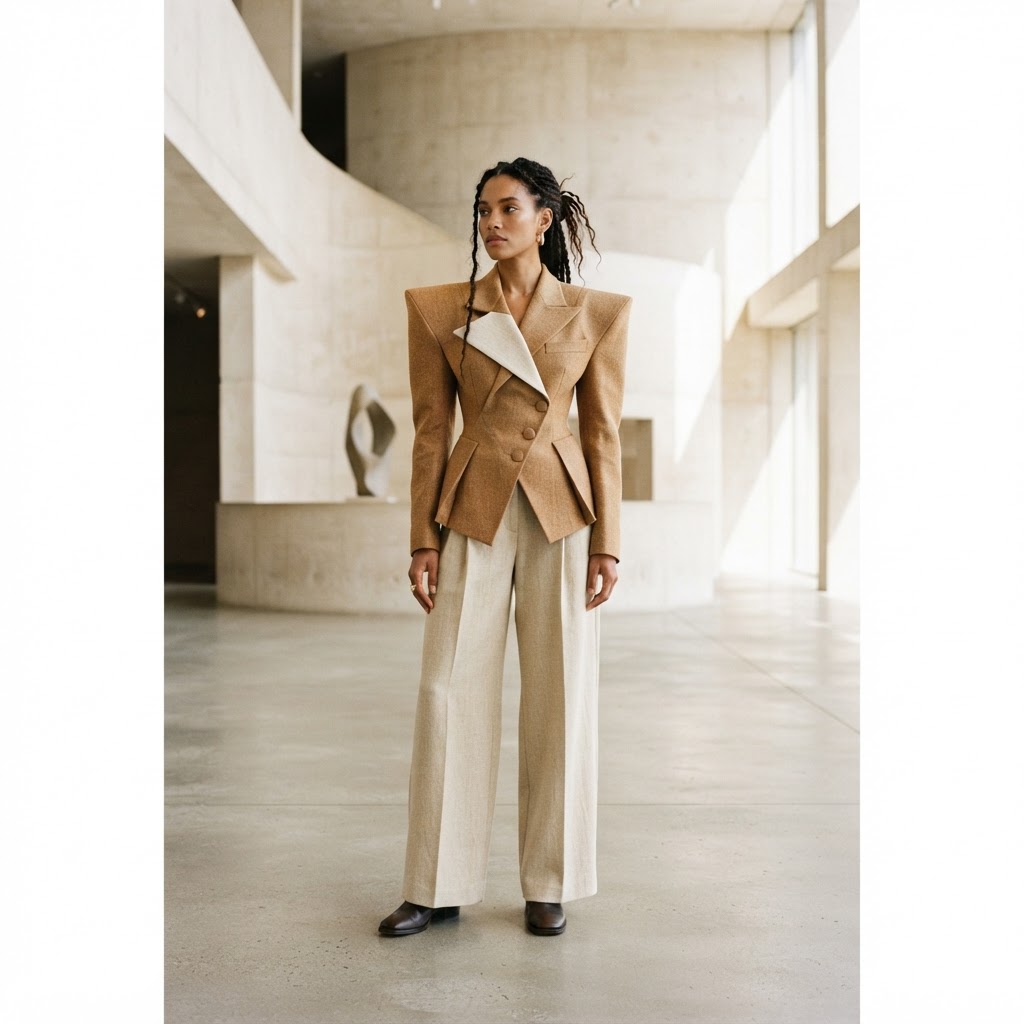
The sharpest edges are beginning to file down. The lowest of the low-rises is giving way to a more wearable mid-rise; the most logo'd pieces to quieter ones. The trend is maturing into the same texture-and-tone logic we have written about: one statement piece, grounded by quieter staples. See our women's and men's collections for the grounding half.
What to take
- Borrow the silhouette, not the costume. A low-rise done well is a proportion, not a fancy-dress reference.
- Keep the accessories, raise the quality. A chrome bag from a good maker outlives the trend that introduced it.
- Mix eras deliberately. Y2K pieces read best against something older and quieter.
What comes after
The next turn is already visible in the runways — a drift toward the late-1990s minimalism that Y2K reacted against. Either way, the lesson is the same: wear the trend, don't be worn by it.
Further reading
- Vogue — fashion trends — Y2K's ongoing life on the runway.
- Who What Wear — celebrity trends for 2026 — Y2K in the wild.