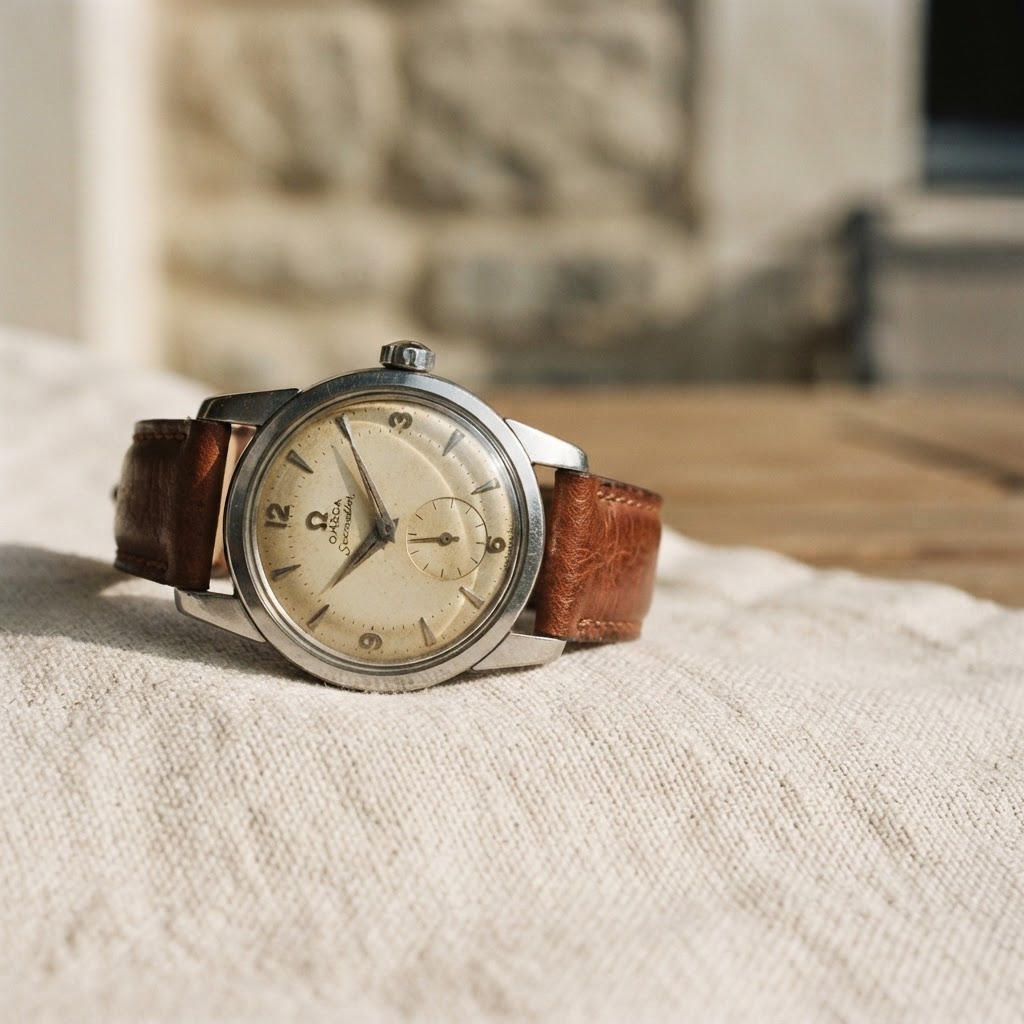
There are very few objects left that you can reasonably expect to outlive you and be worn by someone you love. A mechanical watch is one of them. Unlike almost anything else in a wardrobe, a good watch does not depreciate through use; it accrues — scratches, services, the small marks of a life — and then it is passed on.
Why it is different from the rest of the wardrobe
Everything else wears out. A watch, serviced, does not. It is the one accessory where the buy-less-buy-better argument is not just economic but generational — you are not buying for yourself alone. See our watches via the accessories edit.
How to choose one to keep
- Buy the movement, then the case. A reliable mechanical movement in a plain steel case outwears a fashionable one.
- Choose a size that ages with you. A mid-size case reads as well at seventy as at thirty.
- Service it. A mechanical watch wants a service every few years; that is the price of the heirloom.
The watch and the rest of the outfit
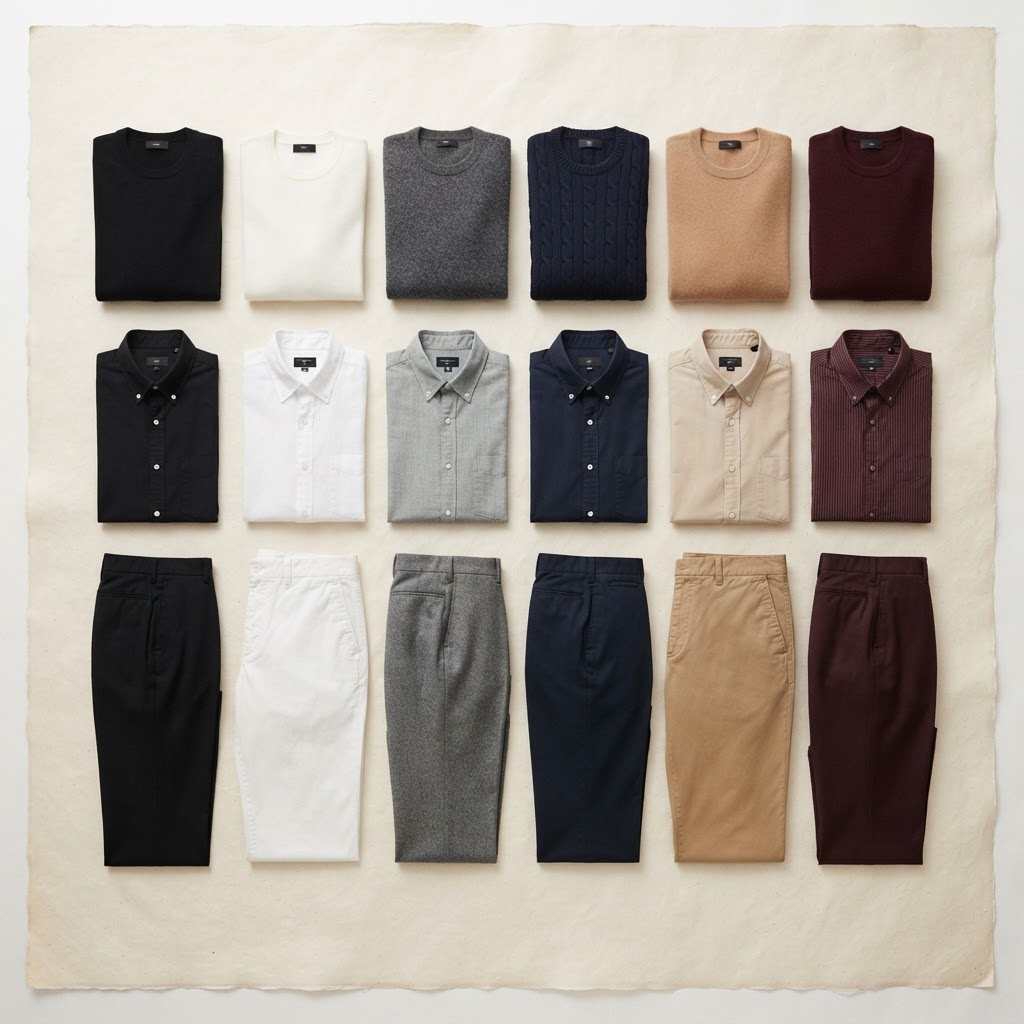
A watch is the quietest accessory and the loudest signal. It should disappear into the wrist and reappear in the detail — which is, in the end, the same restraint the rest of a considered wardrobe is built on.
Further reading
- Mechanical watch — Wikipedia — how the movement works.
- Complex — Jaden Smith at Christian Louboutin — a new chapter for men's accessories.